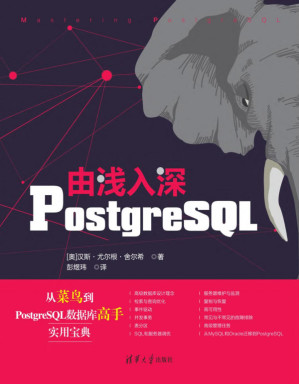
由浅入深PostgreSQL 🔍
奥 汉斯·尤尔根·舍尔希
清华大学出版社出版, Di 1 ban, Beijing, 2018
中文 [zh] · 英语 [en] · PDF · 5.7MB · 2018 · 📘 非小说类图书 · 🚀/duxiu/lgli/zlib · Save
描述
本书从一位资深PostgreSQL 专家在多年咨询、技术支持工作中的切身体会出发,深入介绍了开源数据库管理系统PostgreSQL 9.6 版本中的主要特性,其内容涵盖了作为一个PostgreSQL 数据库从业人员经常会接触到的主题:事务和锁定、索引的使用、高级SQL 处理、日志文件和统计信息、查询优化、存储过程、安全性、备份与恢复、复制、各类扩展、故障排查、系统迁移。作者通过亲身经历和直观的例子,详细介绍了PostgreSQL 主要特性的工作原理、常用配置以及常见的误区,是一本实用性很强的PostgreSQL 进阶指南,能帮助有一定PostgreSQL 知识的读者深入了解PostgreSQL 中更多更全面的高级特性。本书适合数据库管理人员和开发人员了解和学习PostgreSQL。通过阅读本书,读者可以对PostgreSQL有一个全面透彻的了解。
备用文件名
zlib/no-category/奥]汉斯·尤尔根·舍尔希/由浅入深PostgreSQL_18312975.pdf
备选标题
Mastering PostgreSQL 9.6 : Master the Capabilities of PostgreSQL 9.6 to Efficiently Manage and Maintain Your Database
备选标题
Mastering PostgreSQL 9.6 : a comprehensive guide for PostgreSQL 9.6 developers and administrators
备选标题
You qian ru shen PostgreSQL
备选作者
(奥) 舍尔希, (Schonig, Hans-Jurgen)
备选作者
Hans-Jürgen Schönig
备选作者
Hans-Jurgen Schonig
备选作者
(奥)汉斯·尤尔根·舍尔希著
备选作者
B Schönig
备用出版商
Packt Publishing - ebooks Account
备用出版商
Packt Publishing Limited
备用出版商
Qinghua University Press
备用出版商
北京:清华大学出版社
备用版本
United Kingdom and Ireland, United Kingdom
备用版本
Packt Publishing, Birmingham, UK, 2017
备用版本
China, People's Republic, China
备用版本
Birmingham, England, 2017
备用版本
May 30, 2017
元数据中的注释
Bookmarks: p1 (p1): 第1章 PostgreSQL概述
p1-1 (p1): 1.1 PostgreSQL 9.6中有什么新技术
p1-1-1 (p1): 1.1.1 理解新的数据库管理功能
p1-1-2 (p3): 1.1.2 探究新的SQL和开发者相关的功能
p1-1-3 (p5): 1.1.3 使用新的备份和复制功能
p1-1-4 (p5): 1.1.4 理解性能相关的特性
p1-2 (p7): 1.2 总结
p2 (p8): 第2章 理解事务和锁定
p2-1 (p8): 2.1 使用PostgreSQL事务
p2-1-1 (p10): 2.1.1 在事务内处理错误
p2-1-2 (p11): 2.1.2 使用保存点
p2-1-3 (p12): 2.1.3 事务性DDL
p2-2 (p13): 2.2 理解基本的锁定
p2-3 (p17): 2.3 使用FOR SHARE和FOR UPDATE
p2-4 (p20): 2.4 理解事务隔离级别
p2-5 (p22): 2.5 观察死锁和类似的问题
p2-6 (p24): 2.6 利用咨询锁
p2-7 (p25): 2.7 优化存储以及控制清理
p2-7-1 (p26): 2.7.1 配置VACUUM和autovacuum
p2-7-2 (p28): 2.7.2 观察工作中的VACUUM
p2-7-3 (p31): 2.7.3 利用snapshot too old
p2-8 (p32): 2.8 总结
p3 (p33): 第3章 使用索引
p3-1 (p33): 3.1 理解简单查询和代价模型
p3-1-1 (p34): 3.1.1 使用EXPLAIN
p3-1-2 (p36): 3.1.2 深究PostgreSQL代价模型
p3-1-3 (p38): 3.1.3 部署简单的索引
p3-1-4 (p38): 3.1.4 使用排序输出
p3-1-5 (p39): 3.1.5 一次使用多个索引
p3-1-6 (p41): 3.1.6 以一种聪明的方式使用索引
p3-2 (p43): 3.2 使用聚簇表改善速度
p3-2-1 (p46): 3.2.1 聚簇表
p3-2-2 (p46): 3.2.2 使用只用索引的扫描
p3-3 (p47): 3.3 理解另外的B-树特性
p3-3-1 (p47): 3.3.1 组合索引
p3-3-2 (p48): 3.3.2 增加函数索引
p3-3-3 (p49): 3.3.3 减少空间消耗
p3-3-4 (p51): 3.3.4 在建立索引时添加数据
p3-4 (p51): 3.4 引入操作符类
p3-5 (p57): 3.5 理解PostgreSQL索引类型
p3-5-1 (p58): 3.5.1 Hash索引
p3-5-2 (p58): 3.5.2 GiST索引
p3-5-3 (p61): 3.5.3 GIN索引
p3-5-4 (p62): 3.5.4 SP-GiST索引
p3-5-5 (p62): 3.5.5 BRIN索引
p3-5-6 (p64): 3.5.6 增加额外索引
p3-6 (p65): 3.6 用模糊搜索实现更好的回答
p3-6-1 (p65): 3.6.1 利用Pg_trgm
p3-6-2 (p67): 3.6.2 加速LIKE查询
p3-6-3 (p68): 3.6.3 处理正则表达式
p3-7 (p69): 3.7 理解全文搜索-FTS
p3-7-1 (p69): 3.7.1 比较字符串
p3-7-2 (p70): 3.7.2 定义GIN索引
p3-7-3 (p71): 3.7.3 调试用户的搜索
p3-7-4 (p72): 3.7.4 收集词统计信息
p3-7-5 (p73): 3.7.5 利用排除操作符
p3-8 (p74): 3.8 总结
p4 (p75): 第4章 处理高级SQL
p4-1 (p75): 4.1 引入分组集
p4-1-1 (p75): 4.1.1 装载一些案例数据
p4-1-2 (p76): 4.1.2 应用分组集
p4-1-3 (p79): 4.1.3 组合分组集和FILTER子句
p4-2 (p79): 4.2 使用有序集
p4-3 (p81): 4.3 理解假想聚集
p4-4 (p82): 4.4 利用窗口函数和分析
p4-4-1 (p83): 4.4.1 划分数据
p4-4-2 (p84): 4.4.2 在窗口中排序数据
p4-4-3 (p86): 4.4.3 使用滑动窗口
p4-4-4 (p88): 4.4.4 提取窗口子句
p4-4-5 (p88): 4.4.5 使用内建窗口函数
p4-5 (p96): 4.5 编写自己的聚集
p4-5-1 (p96): 4.5.1 创建简单的聚集
p4-5-2 (p100): 4.5.2 为并行查询增加支持
p4-5-3 (p100): 4.5.3 改进效率
p4-5-4 (p102): 4.5.4 编写假想聚集
p4-6 (p104): 4.6 总结
p5 (p105): 第5章 日志文件和系统统计信息
p5-1 (p105): 5.1 收集运行时统计信息
p5-2 (p123): 5.2 创建日志文件
p5-3 (p128): 5.3 总结
p6 (p129): 第6章 优化查询获得良好性能
p6-1 (p129): 6.1 学习优化器的行为
p6-2 (p140): 6.2 理解执行计划
p6-2-1 (p140): 6.2.1 系统地处理计划
p6-2-2 (p142): 6.2.2 发现问题
p6-3 (p147): 6.3 理解并且固定连接
p6-3-1 (p147): 6.3.1 正确使用连接
p6-3-2 (p148): 6.3.2 处理外连接
p6-3-3 (p149): 6.3.3 理解join_collapse_limit变量
p6-4 (p150): 6.4 启用和禁用优化器设置
p6-5 (p154): 6.5 分区数据
p6-5-1 (p154): 6.5.1 创建分区
p6-5-2 (p156): 6.5.2 应用表约束
p6-5-3 (p157): 6.5.3 修改继承的结构
p6-5-4 (p158): 6.5.4 在分区结构中移进和移出表
p6-5-5 (p159): 6.5.5 清理数据
p6-6 (p159): 6.6 为好的查询性能调整参数
p6-6-1 (p162): 6.6.1 加速排序
p6-6-2 (p164): 6.6.2 加速管理任务
p6-7 (p165): 6.7 总结
p7 (p166): 第7章 编写存储过程
p7-1 (p166): 7.1 理解存储过程语言
p7-2 (p170): 7.2 理解各种存储过程语言
p7-2-1 (p171): 7.2.1 引入PL/pgSQL
p7-2-2 (p187): 7.2.2 引入PL/Perl
p7-2-3 (p194): 7.2.3 引入PL/Python
p7-3 (p197): 7.3 改进存储过程的性能
p7-4 (p199): 7.4 使用存储过程
p7-5 (p201): 7.5 总结
p8 (p202): 第8章 管理PostgreSQL安全性
p8-1 (p202): 8.1 管理网络安全性
p8-1-1 (p203): 8.1.1 理解绑定地址和连接
p8-1-2 (p206): 8.1.2 管理pg_hba.conf
p8-1-3 (p210): 8.1.3 处理实例级安全性
p8-1-4 (p214): 8.1.4 定义数据库级安全性
p8-1-5 (p215): 8.1.5 调整方案级权限
p8-1-6 (p218): 8.1.6 使用表
p8-1-7 (p219): 8.1.7 处理列级安全性
p8-1-8 (p220): 8.1.8 配置默认特权
p8-2 (p221): 8.2 深入行级安全性——RLS
p8-3 (p225): 8.3 检查权限
p8-4 (p227): 8.4 再分配对象和删除用户
p8-5 (p228): 8.5 总结
p9 (p229): 第9章 处理备份和恢复
p9-1 (p229): 9.1 执行简单转储
p9-1-1 (p229): 9.1.1 运行pg_dump
p9-1-2 (p230): 9.1.2 传递口令和连接信息
p9-1-3 (p233): 9.1.3 提取数据的子集
p9-1-4 (p233): 9.1.4 处理多种数据格式
p9-2 (p235): 9.2 重放备份
p9-3 (p236): 9.3 处理全局数据
p9-4 (p237): 9.4 总结
p10 (p238): 第10章 理解备份和复制
p10-1 (p238): 10.1 理解事务日志
p10-1-1 (p239): 10.1.1 察看事务日志
p10-1-2 (p240): 10.1.2 理解检查点
p10-1-3 (p240): 10.1.3 优化事务日志
p10-2 (p241): 10.2 事务日志归档和恢复
p10-2-1 (p241): 10.2.1 为归档进行配置
p10-2-2 (p242): 10.2.2 配置pg_hba.conf文件
p10-2-3 (p243): 10.2.3 创建基础备份
p10-2-4 (p246): 10.2.4 重放事务日志
p10-2-5 (p250): 10.2.5 清理事务日志归档
p10-3 (p251): 10.3 设置异步复制
p10-3-1 (p251): 10.3.1 执行基本设置
p10-3-2 (p253): 10.3.2 停止和继续复制
p10-3-3 (p254): 10.3.3 检查复制以确保可用性
p10-3-4 (p256): 10.3.4 执行故障转移以及理解时间线
p10-3-5 (p257): 10.3.5 管理冲突
p10-3-6 (p259): 10.3.6 让复制更可靠
p10-4 (p259): 10.4 升级到同步复制
p10-5 (p262): 10.5 利用复制槽
p10-5-1 (p263): 10.5.1 处理物理复制槽
p10-5-2 (p265): 10.5.2 处理逻辑复制槽
p10-6 (p268): 10.6 总结
p11 (p269): 第11章 选定有用的扩展
p11-1 (p269): 11.1 理解扩展如何工作
p11-2 (p273): 11.2 利用contrib模块
p11-2-1 (p273): 11.2.1 使用adminpack
p11-2-2 (p275): 11.2.2 应用布隆过滤器
p11-2-3 (p277): 11.2.3 部署btree gist和btree_gin
p11-2-4 (p278): 11.2.4 Dblink-考虑逐步淘汰
p11-2-5 (p278): 11.2.5 用file fdw取得文件数据
p11-2-6 (p280): 11.2.6 使用pageinspect检查存储
p11-2-7 (p282): 11.2.7 用pg_buffercache研究缓冲
p11-2-8 (p284): 11.2.8 用pgcrypto加密数据
p11-2-9 (p284): 11.2.9 用pg_prewarm预热缓冲
p11-2-10 (p285): 11.2.10 用pg_stat_statements检查性能
p11-2-11 (p285): 11.2.11 用pgstattuple检查存储
p11-2-12 (p288): 11.2.12 用pg_trgm进行模糊搜索
p11-2-13 (p288): 11.2.13 使用postgres_fdw连接到远程服务器
p11-3 (p292): 11.3 其他有用的扩展
p11-4 (p293): 11.4 总结
p12 (p294): 第12章 在PostgreSQL中排查错误
p12-1 (p294): 12.1 着手处理一个陌生的数据库
p12-2 (p294): 12.2 检查pg_stat_activity
p12-3 (p297): 12.3 检查慢查询
p12-3-1 (p298): 12.3.1 检查个体查询
p12-3-2 (p299): 12.3.2 用perf深入研究
p12-4 (p300): 12.4 检查日志
p12-5 (p301): 12.5 检查缺失的索引
p12-6 (p301): 12.6 检查内存和I/O
p12-7 (p303): 12.7 了解值得注意的错误场景
p12-7-1 (p304): 12.7.1 面对clog损坏
p12-7-2 (p305): 12.7.2 理解检查点消息
p12-7-3 (p305): 12.7.3 管理损坏的数据页面
p12-7-4 (p306): 12.7.4 粗心的连接管理
p12-7-5 (p306): 12.7.5 与表膨胀斗争
p12-8 (p307): 12.8 总结
p13 (p308): 第13章 迁移到PostgreSQL
p13-1 (p308): 13.1 迁移SQL语句到PostgreSQL
p13-1-1 (p308): 13.1.1 使用侧连接
p13-1-2 (p309): 13.1.2 使用分组集
p13-1-3 (p310): 13.1.3 使用WITH子句——公共表表达式
p13-1-4 (p311): 13.1.4 使用 WITH RECURSIVE子句
p13-1-5 (p311): 13.1.5 使用FILTER子句
p13-1-6 (p312): 13.1.6 使用窗口函数
p13-1-7 (p313): 13.1.7 使用有序集——WITHIN GROUP子句
p13-1-8 (p313): 13.1.8 使用TABLESAMPLE子句
p13-1-9 (p315): 13.1.9 使用limit/offset
p13-1-10 (p315): 13.1.10 使用OFFSET
p13-1-11 (p316): 13.1.11 使用临时表
p13-1-12 (p316): 13.1.12 匹配时间序列中的模式
p13-2 (p317): 13.2 从Oracle转移到PostgreSQL
p13-2-1 (p317): 13.2.1 使用oracle fdw扩展转移数据
p13-2-2 (p319): 13.2.2 使用ora2pg从Oracle迁移
p13-2-3 (p321): 13.2.3 常见的陷阱
p13-3 (p322): 13.3 从MySQL或MariaDB转移到PostgreSQL
p13-3-1 (p323): 13.3.1 处理MySQL和MariaDB中的数据
p13-3-2 (p327): 13.3.2 迁移数据和模式
p13-4 (p329): 13.4 总结
p1-1 (p1): 1.1 PostgreSQL 9.6中有什么新技术
p1-1-1 (p1): 1.1.1 理解新的数据库管理功能
p1-1-2 (p3): 1.1.2 探究新的SQL和开发者相关的功能
p1-1-3 (p5): 1.1.3 使用新的备份和复制功能
p1-1-4 (p5): 1.1.4 理解性能相关的特性
p1-2 (p7): 1.2 总结
p2 (p8): 第2章 理解事务和锁定
p2-1 (p8): 2.1 使用PostgreSQL事务
p2-1-1 (p10): 2.1.1 在事务内处理错误
p2-1-2 (p11): 2.1.2 使用保存点
p2-1-3 (p12): 2.1.3 事务性DDL
p2-2 (p13): 2.2 理解基本的锁定
p2-3 (p17): 2.3 使用FOR SHARE和FOR UPDATE
p2-4 (p20): 2.4 理解事务隔离级别
p2-5 (p22): 2.5 观察死锁和类似的问题
p2-6 (p24): 2.6 利用咨询锁
p2-7 (p25): 2.7 优化存储以及控制清理
p2-7-1 (p26): 2.7.1 配置VACUUM和autovacuum
p2-7-2 (p28): 2.7.2 观察工作中的VACUUM
p2-7-3 (p31): 2.7.3 利用snapshot too old
p2-8 (p32): 2.8 总结
p3 (p33): 第3章 使用索引
p3-1 (p33): 3.1 理解简单查询和代价模型
p3-1-1 (p34): 3.1.1 使用EXPLAIN
p3-1-2 (p36): 3.1.2 深究PostgreSQL代价模型
p3-1-3 (p38): 3.1.3 部署简单的索引
p3-1-4 (p38): 3.1.4 使用排序输出
p3-1-5 (p39): 3.1.5 一次使用多个索引
p3-1-6 (p41): 3.1.6 以一种聪明的方式使用索引
p3-2 (p43): 3.2 使用聚簇表改善速度
p3-2-1 (p46): 3.2.1 聚簇表
p3-2-2 (p46): 3.2.2 使用只用索引的扫描
p3-3 (p47): 3.3 理解另外的B-树特性
p3-3-1 (p47): 3.3.1 组合索引
p3-3-2 (p48): 3.3.2 增加函数索引
p3-3-3 (p49): 3.3.3 减少空间消耗
p3-3-4 (p51): 3.3.4 在建立索引时添加数据
p3-4 (p51): 3.4 引入操作符类
p3-5 (p57): 3.5 理解PostgreSQL索引类型
p3-5-1 (p58): 3.5.1 Hash索引
p3-5-2 (p58): 3.5.2 GiST索引
p3-5-3 (p61): 3.5.3 GIN索引
p3-5-4 (p62): 3.5.4 SP-GiST索引
p3-5-5 (p62): 3.5.5 BRIN索引
p3-5-6 (p64): 3.5.6 增加额外索引
p3-6 (p65): 3.6 用模糊搜索实现更好的回答
p3-6-1 (p65): 3.6.1 利用Pg_trgm
p3-6-2 (p67): 3.6.2 加速LIKE查询
p3-6-3 (p68): 3.6.3 处理正则表达式
p3-7 (p69): 3.7 理解全文搜索-FTS
p3-7-1 (p69): 3.7.1 比较字符串
p3-7-2 (p70): 3.7.2 定义GIN索引
p3-7-3 (p71): 3.7.3 调试用户的搜索
p3-7-4 (p72): 3.7.4 收集词统计信息
p3-7-5 (p73): 3.7.5 利用排除操作符
p3-8 (p74): 3.8 总结
p4 (p75): 第4章 处理高级SQL
p4-1 (p75): 4.1 引入分组集
p4-1-1 (p75): 4.1.1 装载一些案例数据
p4-1-2 (p76): 4.1.2 应用分组集
p4-1-3 (p79): 4.1.3 组合分组集和FILTER子句
p4-2 (p79): 4.2 使用有序集
p4-3 (p81): 4.3 理解假想聚集
p4-4 (p82): 4.4 利用窗口函数和分析
p4-4-1 (p83): 4.4.1 划分数据
p4-4-2 (p84): 4.4.2 在窗口中排序数据
p4-4-3 (p86): 4.4.3 使用滑动窗口
p4-4-4 (p88): 4.4.4 提取窗口子句
p4-4-5 (p88): 4.4.5 使用内建窗口函数
p4-5 (p96): 4.5 编写自己的聚集
p4-5-1 (p96): 4.5.1 创建简单的聚集
p4-5-2 (p100): 4.5.2 为并行查询增加支持
p4-5-3 (p100): 4.5.3 改进效率
p4-5-4 (p102): 4.5.4 编写假想聚集
p4-6 (p104): 4.6 总结
p5 (p105): 第5章 日志文件和系统统计信息
p5-1 (p105): 5.1 收集运行时统计信息
p5-2 (p123): 5.2 创建日志文件
p5-3 (p128): 5.3 总结
p6 (p129): 第6章 优化查询获得良好性能
p6-1 (p129): 6.1 学习优化器的行为
p6-2 (p140): 6.2 理解执行计划
p6-2-1 (p140): 6.2.1 系统地处理计划
p6-2-2 (p142): 6.2.2 发现问题
p6-3 (p147): 6.3 理解并且固定连接
p6-3-1 (p147): 6.3.1 正确使用连接
p6-3-2 (p148): 6.3.2 处理外连接
p6-3-3 (p149): 6.3.3 理解join_collapse_limit变量
p6-4 (p150): 6.4 启用和禁用优化器设置
p6-5 (p154): 6.5 分区数据
p6-5-1 (p154): 6.5.1 创建分区
p6-5-2 (p156): 6.5.2 应用表约束
p6-5-3 (p157): 6.5.3 修改继承的结构
p6-5-4 (p158): 6.5.4 在分区结构中移进和移出表
p6-5-5 (p159): 6.5.5 清理数据
p6-6 (p159): 6.6 为好的查询性能调整参数
p6-6-1 (p162): 6.6.1 加速排序
p6-6-2 (p164): 6.6.2 加速管理任务
p6-7 (p165): 6.7 总结
p7 (p166): 第7章 编写存储过程
p7-1 (p166): 7.1 理解存储过程语言
p7-2 (p170): 7.2 理解各种存储过程语言
p7-2-1 (p171): 7.2.1 引入PL/pgSQL
p7-2-2 (p187): 7.2.2 引入PL/Perl
p7-2-3 (p194): 7.2.3 引入PL/Python
p7-3 (p197): 7.3 改进存储过程的性能
p7-4 (p199): 7.4 使用存储过程
p7-5 (p201): 7.5 总结
p8 (p202): 第8章 管理PostgreSQL安全性
p8-1 (p202): 8.1 管理网络安全性
p8-1-1 (p203): 8.1.1 理解绑定地址和连接
p8-1-2 (p206): 8.1.2 管理pg_hba.conf
p8-1-3 (p210): 8.1.3 处理实例级安全性
p8-1-4 (p214): 8.1.4 定义数据库级安全性
p8-1-5 (p215): 8.1.5 调整方案级权限
p8-1-6 (p218): 8.1.6 使用表
p8-1-7 (p219): 8.1.7 处理列级安全性
p8-1-8 (p220): 8.1.8 配置默认特权
p8-2 (p221): 8.2 深入行级安全性——RLS
p8-3 (p225): 8.3 检查权限
p8-4 (p227): 8.4 再分配对象和删除用户
p8-5 (p228): 8.5 总结
p9 (p229): 第9章 处理备份和恢复
p9-1 (p229): 9.1 执行简单转储
p9-1-1 (p229): 9.1.1 运行pg_dump
p9-1-2 (p230): 9.1.2 传递口令和连接信息
p9-1-3 (p233): 9.1.3 提取数据的子集
p9-1-4 (p233): 9.1.4 处理多种数据格式
p9-2 (p235): 9.2 重放备份
p9-3 (p236): 9.3 处理全局数据
p9-4 (p237): 9.4 总结
p10 (p238): 第10章 理解备份和复制
p10-1 (p238): 10.1 理解事务日志
p10-1-1 (p239): 10.1.1 察看事务日志
p10-1-2 (p240): 10.1.2 理解检查点
p10-1-3 (p240): 10.1.3 优化事务日志
p10-2 (p241): 10.2 事务日志归档和恢复
p10-2-1 (p241): 10.2.1 为归档进行配置
p10-2-2 (p242): 10.2.2 配置pg_hba.conf文件
p10-2-3 (p243): 10.2.3 创建基础备份
p10-2-4 (p246): 10.2.4 重放事务日志
p10-2-5 (p250): 10.2.5 清理事务日志归档
p10-3 (p251): 10.3 设置异步复制
p10-3-1 (p251): 10.3.1 执行基本设置
p10-3-2 (p253): 10.3.2 停止和继续复制
p10-3-3 (p254): 10.3.3 检查复制以确保可用性
p10-3-4 (p256): 10.3.4 执行故障转移以及理解时间线
p10-3-5 (p257): 10.3.5 管理冲突
p10-3-6 (p259): 10.3.6 让复制更可靠
p10-4 (p259): 10.4 升级到同步复制
p10-5 (p262): 10.5 利用复制槽
p10-5-1 (p263): 10.5.1 处理物理复制槽
p10-5-2 (p265): 10.5.2 处理逻辑复制槽
p10-6 (p268): 10.6 总结
p11 (p269): 第11章 选定有用的扩展
p11-1 (p269): 11.1 理解扩展如何工作
p11-2 (p273): 11.2 利用contrib模块
p11-2-1 (p273): 11.2.1 使用adminpack
p11-2-2 (p275): 11.2.2 应用布隆过滤器
p11-2-3 (p277): 11.2.3 部署btree gist和btree_gin
p11-2-4 (p278): 11.2.4 Dblink-考虑逐步淘汰
p11-2-5 (p278): 11.2.5 用file fdw取得文件数据
p11-2-6 (p280): 11.2.6 使用pageinspect检查存储
p11-2-7 (p282): 11.2.7 用pg_buffercache研究缓冲
p11-2-8 (p284): 11.2.8 用pgcrypto加密数据
p11-2-9 (p284): 11.2.9 用pg_prewarm预热缓冲
p11-2-10 (p285): 11.2.10 用pg_stat_statements检查性能
p11-2-11 (p285): 11.2.11 用pgstattuple检查存储
p11-2-12 (p288): 11.2.12 用pg_trgm进行模糊搜索
p11-2-13 (p288): 11.2.13 使用postgres_fdw连接到远程服务器
p11-3 (p292): 11.3 其他有用的扩展
p11-4 (p293): 11.4 总结
p12 (p294): 第12章 在PostgreSQL中排查错误
p12-1 (p294): 12.1 着手处理一个陌生的数据库
p12-2 (p294): 12.2 检查pg_stat_activity
p12-3 (p297): 12.3 检查慢查询
p12-3-1 (p298): 12.3.1 检查个体查询
p12-3-2 (p299): 12.3.2 用perf深入研究
p12-4 (p300): 12.4 检查日志
p12-5 (p301): 12.5 检查缺失的索引
p12-6 (p301): 12.6 检查内存和I/O
p12-7 (p303): 12.7 了解值得注意的错误场景
p12-7-1 (p304): 12.7.1 面对clog损坏
p12-7-2 (p305): 12.7.2 理解检查点消息
p12-7-3 (p305): 12.7.3 管理损坏的数据页面
p12-7-4 (p306): 12.7.4 粗心的连接管理
p12-7-5 (p306): 12.7.5 与表膨胀斗争
p12-8 (p307): 12.8 总结
p13 (p308): 第13章 迁移到PostgreSQL
p13-1 (p308): 13.1 迁移SQL语句到PostgreSQL
p13-1-1 (p308): 13.1.1 使用侧连接
p13-1-2 (p309): 13.1.2 使用分组集
p13-1-3 (p310): 13.1.3 使用WITH子句——公共表表达式
p13-1-4 (p311): 13.1.4 使用 WITH RECURSIVE子句
p13-1-5 (p311): 13.1.5 使用FILTER子句
p13-1-6 (p312): 13.1.6 使用窗口函数
p13-1-7 (p313): 13.1.7 使用有序集——WITHIN GROUP子句
p13-1-8 (p313): 13.1.8 使用TABLESAMPLE子句
p13-1-9 (p315): 13.1.9 使用limit/offset
p13-1-10 (p315): 13.1.10 使用OFFSET
p13-1-11 (p316): 13.1.11 使用临时表
p13-1-12 (p316): 13.1.12 匹配时间序列中的模式
p13-2 (p317): 13.2 从Oracle转移到PostgreSQL
p13-2-1 (p317): 13.2.1 使用oracle fdw扩展转移数据
p13-2-2 (p319): 13.2.2 使用ora2pg从Oracle迁移
p13-2-3 (p321): 13.2.3 常见的陷阱
p13-3 (p322): 13.3 从MySQL或MariaDB转移到PostgreSQL
p13-3-1 (p323): 13.3.1 处理MySQL和MariaDB中的数据
p13-3-2 (p327): 13.3.2 迁移数据和模式
p13-4 (p329): 13.4 总结
备用描述
Master the capabilities of PostgreSQL 9.6 to efficiently manage and maintain your databaseAbout This BookYour one-stop guide to mastering the advanced concepts in PostgreSQL with easeMaster query optimization, replication, and high availability with PostgreSQLExtend the functionalities of PostgreSQL to suit your organizational needs with minimum effortWho This Book Is ForIf you are a PostgreSQL data architect or an administrator who wants to understand how to implement advanced functionalities and master complex administrative tasks with PostgreSQL, then this book is perfect for you. Prior experience of administrating a PostgreSQL database and a working knowledge of SQL is required to make the best use of this book.What You Will LearnGet to grips with the advanced features of PostgreSQL 9.6 and handle advanced SQLMake use of the indexing features in PostgreSQL and fine-tune the performance of your queriesWork with the stored procedures and manage backup and recoveryMaster the replication and failover techniquesTroubleshoot your PostgreSQL instance for solutions to the common and not-so-common problemsLearn how to migrate your database from MySQL and Oracle to PostgreSQL without any hassleIn DetailPostgreSQL is an open source database used for handling large datasets (Big Data) and as a JSON document database. It also has applications in the software and web domains. This book will enable you to build better PostgreSQL applications and administer databases more efficiently.We begin by explaining the advanced database design concepts in PostgreSQL 9.6, along with indexing and query optimization. You will also see how to work with event triggers and perform concurrent transactions and table partitioning, along with exploring SQL and server tuning. We will walk you through implementing advanced administrative tasks such as server maintenance and monitoring, replication, recovery and high availability, and much more. You will understand the common and not-so-common troubleshooting problems and how you can overcome them.By the end of this book, you will have an expert-level command of the advanced database functionalities and will be able to implement advanced administrative tasks with PostgreSQL.Style and ApproachThis book is a comprehensive guide covering all the concepts you need to master PostgreSQL. Packed with hands-on examples, tips and tricks, even the most advanced concepts are explained in a very easy-to-follow manner. Every chapter in the book does not only focus on how each task is performed, but also why.
备用描述
Master the capabilities of PostgreSQL 9.6 to efficiently manage and maintain your database About This Book Your one-stop guide to mastering the advanced concepts in PostgreSQL with ease Master query optimization, replication, and high availability with PostgreSQL Extend the functionalities of PostgreSQL to suit your organizational needs with minimum effort Who This Book Is For If you are a PostgreSQL data architect or an administrator who wants to understand how to implement advanced functionalities and master complex administrative tasks with PostgreSQL, then this book is perfect for you. Prior experience of administrating a PostgreSQL database and a working knowledge of SQL is required to make the best use of this book. What You Will Learn Get to grips with the advanced features of PostgreSQL 9.6 and handle advanced SQL Make use of the indexing features in PostgreSQL and fine-tune the performance of your queries Work with the stored procedures and manage backup and recovery Master the replication and failover techniques Troubleshoot your PostgreSQL instance for solutions to the common and not-so-common problems Learn how to migrate your database from MySQL and Oracle to PostgreSQL without any hassle In Detail PostgreSQL is an open source database used for handling large datasets (Big Data) and as a JSON document database. It also has applications in the software and web domains. This book will enable you to build better PostgreSQL applications and administer databases more efficiently. We begin by explaining the advanced database design concepts in PostgreSQL 9.6, along with indexing and query optimization. You will also see how to work with event triggers and perform concurrent transactions and table partitioning, along with exploring SQL and server tuning. We will walk you through implementing advanced administrative tasks such as server maintenance and monitoring, replication, recovery and high availability, and much more. You will understand the common and not-so-common troubleshooting problems and how you can overcome them. By the end of this book, you will have an expert-level command of the advanced database functionalities and will be able to implement advanced administrative tasks with PostgreSQL. Style and Approach This book is a comprehensive guide covering all the concepts you need to master PostgreSQL. Packed with hands-on examples, tips and tricks, even the most advanced concepts are explained in a very easy-to-follow manner. E..
备用描述
Ben shu cong yi wei zi shen PostgreSQL zhuan jia zai duo nian zi xun,Ji shu zhi chi gong zuo zhong de qie shen ti hui chu fa,Shen ru jie shao le kai yuan shu ju ku guan li xi tong PostgreSQL9.6 ban ben zhong de zhu yao te xing,Nei rong han gai le zuo wei yi ge PostgreSQL shu ju ku cong ye ren yuan jing chang hui jie chu dao de zhu ti:shi wu he suo ding,Suo yin de shi yong,Gao ji SQL chu li,Ri zhi wen jian he tong ji xin xi,Cha xun you hua,Cun chu guo cheng, an quan xing,Bei fen yu hui fu,Fu zhi,Ge lei kuo zhan,Gu zhang pai cha,Xi tong qian yi.Zuo zhe tong guo qin shen jing li he zhi guan de li zi,Xiang xi jie shao le PostgreSQL zhu yao te xing de gong zuo yuan li,Chang yong pei zhi yi ji chang jian de wu qu,Shi yi ben shi yong xing hen qiang de PostgreSQL jin jie zhi nan,Neng bang zhu you yi ding PostgreSQL zhi shi de du zhe shen ru le jie PostgreSQL zhong geng duo geng quan mian de gao ji te xing
开源日期
2021-12-09
🚀 快速下载
成为会员以支持书籍、论文等的长期保存。为了感谢您对我们的支持,您将获得高速下载权益。❤️
🐢 低速下载
由可信的合作方提供。 更多信息请参见常见问题解答。 (可能需要验证浏览器——无限次下载!)
- 低速服务器(合作方提供) #1 (稍快但需要排队)
- 低速服务器(合作方提供) #2 (稍快但需要排队)
- 低速服务器(合作方提供) #3 (稍快但需要排队)
- 低速服务器(合作方提供) #4 (稍快但需要排队)
- 低速服务器(合作方提供) #5 (无需排队,但可能非常慢)
- 低速服务器(合作方提供) #6 (无需排队,但可能非常慢)
- 低速服务器(合作方提供) #7 (无需排队,但可能非常慢)
- 低速服务器(合作方提供) #8 (无需排队,但可能非常慢)
- 低速服务器(合作方提供) #9 (无需排队,但可能非常慢)
- 下载后: 在我们的查看器中打开
所有选项下载的文件都相同,应该可以安全使用。即使这样,从互联网下载文件时始终要小心。例如,确保您的设备更新及时。
外部下载
-
对于大文件,我们建议使用下载管理器以防止中断。
推荐的下载管理器:JDownloader -
您将需要一个电子书或 PDF 阅读器来打开文件,具体取决于文件格式。
推荐的电子书阅读器:Anna的档案在线查看器、ReadEra和Calibre -
使用在线工具进行格式转换。
推荐的转换工具:CloudConvert和PrintFriendly -
您可以将 PDF 和 EPUB 文件发送到您的 Kindle 或 Kobo 电子阅读器。
推荐的工具:亚马逊的“发送到 Kindle”和djazz 的“发送到 Kobo/Kindle” -
支持作者和图书馆
✍️ 如果您喜欢这个并且能够负担得起,请考虑购买原版,或直接支持作者。
📚 如果您当地的图书馆有这本书,请考虑在那里免费借阅。
下面的文字仅以英文继续。
总下载量:
“文件的MD5”是根据文件内容计算出的哈希值,并且基于该内容具有相当的唯一性。我们这里索引的所有影子图书馆都主要使用MD5来标识文件。
一个文件可能会出现在多个影子图书馆中。有关我们编译的各种数据集的信息,请参见数据集页面。
有关此文件的详细信息,请查看其JSON 文件。 Live/debug JSON version. Live/debug page.